Hands-On Laboratory Training: Inside a Working Clinical Lab
Textbooks can explain how a diagnosis is made. A working laboratory shows it. During the LIgHT-HEALS Integrated Summer Internship Program 2025, held June 2–27 in San Antonio, CorePath Laboratories partnered with the HBond Foundation to open its laboratory doors to our interns.
For four weeks, high school and university students stepped into a real clinical lab to explore careers in Science, Technology, Engineering, Mathematics, Medicine and Leadership (STEM-ML). They worked alongside practicing professionals and saw how laboratory medicine guides diagnosis and patient care every day.
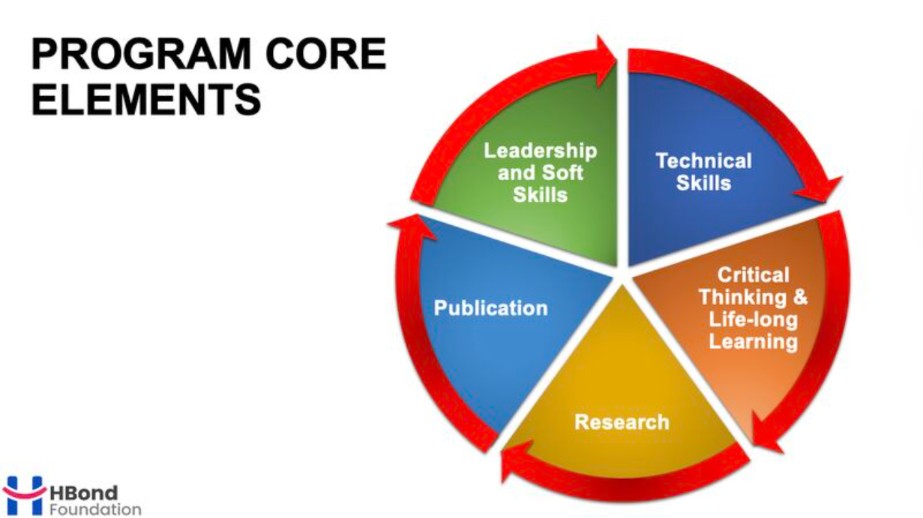
Technical skills are one of the five core elements of the program, alongside leadership and soft skills, critical thinking and life-long learning, research, and publication. In the lab, these pillars come together: interns learn the science, ask questions, and carry what they see into their own research.
The leadership and soft skills at the heart of LIgHT-HEALS
Five Laboratory Disciplines
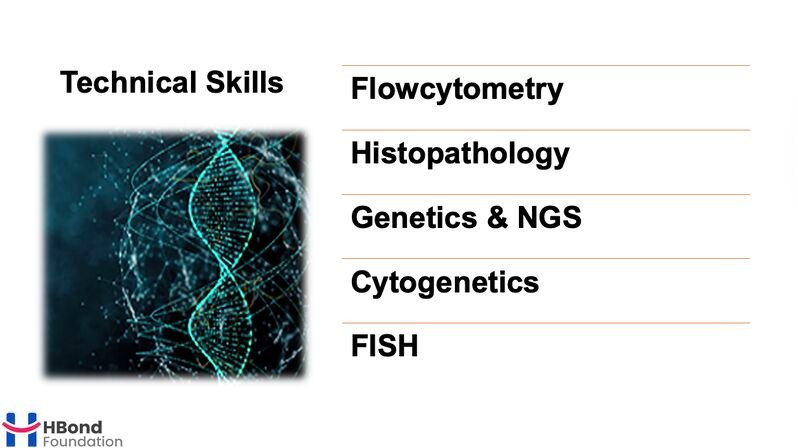
Interns were introduced to five areas of modern diagnostic medicine: flow cytometry, histopathology, genetics and next-generation sequencing (NGS), cytogenetics and FISH. Each discipline gave them a different window into how laboratory teams study cells, tissues and genes to answer questions that matter to patients and physicians.What Interns Explored
A quick look at each discipline and the role it plays in patient care.
01
Flow Cytometry
Cells pass one by one through a laser so their size, structure and surface markers can be measured, a key tool for identifying and counting blood cells and diagnosing blood cancers.
02
Histopathology
Thin, stained slices of tissue are examined under the microscope so pathologists can recognize disease and confirm a diagnosis.
03
Genetics & NGS
Next-generation sequencing reads millions of DNA fragments at once, helping find the genetic changes that guide diagnosis and treatment.
04
Cytogenetics
The study of chromosomes, looking at their number and structure to detect abnormalities linked to inherited conditions and cancers.
05
FISH
Fluorescence in situ hybridization uses glowing probes that attach to specific DNA sequences, making genetic changes visible under a fluorescence microscope.
Intern Voice
“Working side by side with professionals”
“My favorite part of the program was getting hands-on experience in the lab, working side by side with professionals and just learning what they have to go through every day… blood smears, PCR procedures, pipetting techniques—you get a lot of based knowledge in those skills, which are quite useful in the lab.”
Sajev Logaprabhu, LIgHT-HEALS 2025 intern, junior at Health Careers High School (Northside ISD), and co-author of two INNOVAPATH 2025 publications
Guided by Experts
Interns learned under the mentorship of physicians, pathologists and scientists, including:
- Dr. Sohail Rao, President of the HBond Foundation and Founding Director of LIgHT-HEALS
- Dr. Aamir Ehsan, Medical Director and CEO of CorePath Laboratories
- Dr. Bridget Herschap, HBond Foundation Board of Directors
- Curtis Loos, HBond Foundation Board of Directors
From the Lab to Research
What interns saw in the lab carried directly into their research. In their published review on artificial intelligence in clinical decision support, the intern authors credited CorePath Laboratory’s resources and teaching methods as part of their guidance.